“Demi Lovato – Dancing with the Devil (Losing Control) | Official Video” is a deeply serious and emotionally charged title that should be presented as a raw, high-stakes artistic statement rather than a standard pop release. The strongest description frames it as a confessional visual work about addiction, survival, trauma, and recovery, with the official video recreating the emotional and physical collapse behind Lovato’s near-fatal 2018 overdose
.
Professional Description
“Dancing with the Devil” is not a light pop single; it is a trauma-driven performance piece that turns lived experience into visual narrative. The video, co-directed by Demi Lovato and Michael D. Ratner, intentionally reconstructs the night that led to her overdose, using symbolic and literal imagery to make the emotional spiral visible to the audience. That choice gives the song unusual weight because it functions at once as music, testimony, and public memory.
The “Losing Control” framing is especially effective because it captures the core emotional idea of the song: the fear of being unable to stop a destructive cycle while still begging for help. In American English, the best way to position it is as a powerful official video that blends vulnerability, confrontation, and recovery into one intensely personal release.
Strong Positive Value
On the positive side, this work has exceptional cultural and social value because it normalizes conversation about addiction, mental health, relapse, and survival in a mainstream setting. Lovato’s willingness to address her overdose directly through music and documentary-style storytelling gives the public a rare example of an artist using commercial visibility to support awareness rather than hiding difficult truth.
The contribution to the creative economy is also significant. The release supports multiple sectors at once: music production, filmmaking, documentary direction, editing, streaming distribution, journalism, public-health messaging, and advocacy media. In a best-case scenario, a project like this can help audiences feel less alone, encourage earlier help-seeking, and create stronger empathy around addiction and recovery.
Critical Negative View
A critical reading must also acknowledge the risks. Because the video dramatizes a real overdose and traumatic night, some viewers may experience it as emotionally overwhelming, sensationalized, or difficult to separate from entertainment packaging. That is a real concern, especially when traumatic material is placed inside a commercial music release that will inevitably be consumed through clicks, clips, and commentary.
There is also a more negative industry scenario: deeply personal confessional art can be reduced to spectacle once it enters the online attention economy. In that case, the public may focus more on the shock value of the visuals than on the seriousness of addiction or the recovery message, which weakens the broader social purpose of the project. So while the work is courageous, it is not free from the ethical tension that comes with turning trauma into a public release.
Industry And Social Impact
The real value of this release is that it demonstrates how music can overlap with advocacy and documentary storytelling at the highest level of visibility. It helps sustain jobs and expertise across several industries, including labels, production companies, directing teams, platform distribution, and mental-health communications. This is a strong example of how a music project can have value beyond entertainment, especially when it is tied to real-world issues and lived experience.
For society, the effect is especially meaningful in youth and public-health contexts. Lovato’s later public comments show that she continues to frame mental health as something that should be discussed openly and without shame, which extends the significance of the song beyond its initial release. In the strongest scenario, the video becomes a reference point for honesty, recovery, and the idea that vulnerability can be a form of strength rather than weakness.
Final Copy
“Demi Lovato – Dancing with the Devil (Losing Control) | Official Video” is best described as a haunting, deeply personal, and socially important release that turns private trauma into public testimony
. It is powerful because it is honest, technically ambitious, and emotionally uncompromising, while also giving viewers a serious look at the cost of addiction and the reality of survival
.
At its best, the work contributes to public understanding, creative labor, and mental-health awareness in a way that few pop releases attempt. At its weakest, it risks being consumed as spectacle, but even that criticism underscores how rare and difficult this kind of mainstream vulnerability really is.



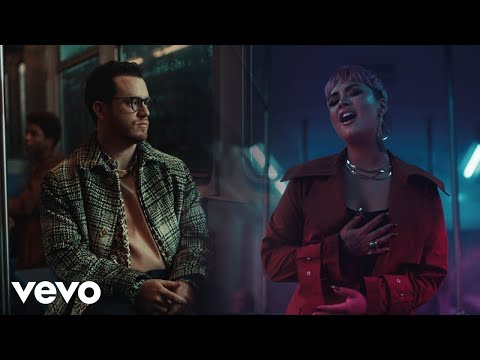



![Clean Bandit – Solo (feat. Demi Lovato) [Official Video] | Empowering Pop Anthem by Clean Bandit & Demi Lovato](https://ignitescaleai.online/wp-content/uploads/2026/07/clean-bandit-solo-feat-demi-lovato-official-video-empowering-pop-anthem-by-clean-bandit-demi-lovato.jpg)