Demi Lovato – Stone Cold (Official Music Video) is a stark, emotionally raw performance video that strips away glamour to place Lovato’s voice, vulnerability, and physical expression at the center of the experience. Released in 2016 and directed by Patrick Ecclesine, the video shows Lovato in a snow-covered mountain landscape and in a bathtub, using cold, minimal imagery to mirror the song’s grief, heartbreak, and emotional isolation.
The strength of the video lies in its restraint. Rather than relying on spectacle, heavy editing, or elaborate effects, it uses a small number of highly symbolic scenes to build meaning: the icy wilderness suggests loneliness and endurance, while the bathtub scene intensifies the feeling of private emotional collapse. This simplicity gives Lovato’s vocal performance even more power, because every note feels exposed, controlled, and deeply personal.
From an artistic perspective, the video is one of the clearest examples of how a pop music visual can function like a short emotional film. It reinforces Lovato’s reputation as a technically strong vocalist and as an artist willing to turn painful material into disciplined, high-impact storytelling. The production also reflects the standards of the modern pop industry, where labels, directors, stylists, and digital platforms such as YouTube and Vevo help transform a three-minute song into a global visual product with long-tail cultural value.
Its positive contribution to society is mainly cultural and emotional. The video gives viewers a model of open grief that can normalize vulnerability, especially for young audiences who may not have language for heartbreak or emotional loss. In the broader entertainment sector, it demonstrates how a performance-focused video can still create strong engagement without needing expensive visual overload, which is valuable for artists, directors, editors, and creative teams looking for impact through clarity rather than excess.
The video also contributes to the music industry by showing how an artist’s authenticity can strengthen brand identity and audience loyalty. Lovato’s willingness to appear undone, physically cold, and emotionally shaken helped deepen her reputation as a serious performer rather than just a radio pop act. For songwriters, producers, and visual creatives, it is a reminder that emotionally direct work can travel far when the execution is disciplined and the intent is clear.
At the same time, the video has limits and possible criticisms. Its minimalism can be read as emotionally powerful, but also as narrow: it centers on one feeling—heartbreak—without offering much narrative complexity beyond suffering and catharsis. Some viewers may also find the imagery too controlled or aesthetically polished to fully capture the chaos of real emotional pain, which can make the video feel more like a curated statement than an unfiltered emotional event.
In a more negative reading, the video may be seen as part of a larger pop strategy in which personal pain becomes commercial content. That does not erase its sincerity, but it does raise a valid question: when does authentic expression become packaged vulnerability for mass consumption? This tension is especially relevant in the music business, where deeply personal visuals can generate streams, press coverage, and playlist traction while still leaving viewers with only symbolic emotional release rather than any concrete social benefit.
In real-world terms, the value of “Stone Cold” is strongest in the creative and cultural sectors. It supports music, video production, styling, editing, digital distribution, and fan engagement, while also giving educators, critics, and journalists a clear example of how pop performance can communicate emotional truth through simplicity. For society, its contribution is less about policy or material change and more about emotional literacy: it helps make sadness, mourning, and vulnerability visible in a mainstream format that millions can access.
Overall, “Demi Lovato – Stone Cold (Official Music Video)” is a powerful example of restrained pop storytelling: emotionally honest, vocally commanding, and visually memorable, but also limited by its focus on pain as aesthetic experience. Its lasting importance comes from how effectively it turns heartbreak into a universal visual language while reminding viewers that strong artistry does not always need excess to leave a mark.



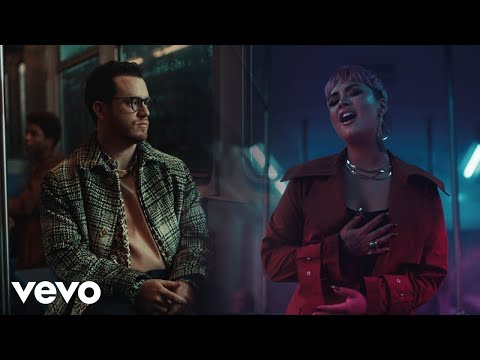



![Clean Bandit – Solo (feat. Demi Lovato) [Official Video] | Empowering Pop Anthem by Clean Bandit & Demi Lovato](https://ignitescaleai.online/wp-content/uploads/2026/07/clean-bandit-solo-feat-demi-lovato-official-video-empowering-pop-anthem-by-clean-bandit-demi-lovato.jpg)